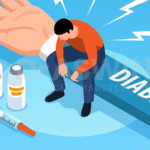
Reversal of Diabetes: Myths and Facts for Patients
Living with diabetes can feel overwhelming, especially with so many claims about “reversing” the disease floating around. Let’s clear up the confusion and look at what science really says about diabetes reversal.
Myth vs. Fact: What Does ‘Reversal’ Mean?
Many people think “reversing” diabetes means it’s gone forever, but that’s not exactly true. The correct medical term is remission—when your blood sugar levels stay in the normal range for at least three months without diabetes medications. It’s not a cure; diabetes can come back if you don’t keep up healthy habits.
Myth 1: All Types of Diabetes Can Be Reversed Fact: Only some cases of Type 2 diabetes can go into remission. Type 1 diabetes, which is caused by the body attacking its insulin-producing cells, cannot be reversed with current treatments.
Myth 2: Reversal Is Quick and Easy Fact: True remission takes time and commitment. Fad diets or extreme programs promising a reversal in weeks are misleading. Sustainable weight loss, regular exercise, and healthy eating are key, and results take months, not days.
Myth 3: Medications Alone Can Reverse Diabetes Fact: While medications help manage blood sugar, real remission usually requires lifestyle changes like weight loss, improved diet, and more physical activity.
Myth 4: Once Reversed, You’re Cured Fact: Even if you achieve remission, you need to stick to your healthy habits. Going back to old ways can bring diabetes back.
How Is Remission Achieved?
Weight Loss: Losing 10-15% of your body weight can make a big difference. Studies show that people who lose around 15 kg after diagnosis can achieve remission.
Diet & Exercise: Eating a balanced, low-calorie diet and staying active are crucial. Indian studies show up to 75% remission rates in newly diagnosed patients who follow intensive lifestyle changes.
Medical Support: Sometimes, medications or even bariatric surgery may be needed, especially for those who are overweight.
Ongoing Monitoring: Even in remission, you must check your blood sugar regularly and keep up with doctor visits.
Final Thoughts
Diabetes reversal isn’t a myth—but it’s not a miracle cure either. For many with Type 2 diabetes, remission is possible with the right support and lifestyle changes. Remember, there’s no quick fix, and staying healthy is an ongoing journey.